

When choosing fabric for your wardrobe, understanding Pure Cotton vs Cotton Blend can help you find the right balance of comfort, appearance and easy maintenance. Both fabrics are widely used in women's clothing, including salwar suits, kurtas and everyday ethnic wear. However, they differ in fibre composition, texture, breathability and how they behave after repeated washing.
Pure cotton is made from cotton fibres, while cotton blend fabric combines cotton with one or more other fibres. The right choice depends on how you plan to wear the outfit, the weather, your preferred fit and the care you are comfortable providing.
If you are planning to buy unstitched suit material, knowing the difference between pure cotton and cotton blend fabric can help you choose more confidently. In this guide, we compare their benefits, limitations and practical uses, with relevant fabric collections from Paulsons to explore.

1. What Is the Difference Between Pure Cotton and Cotton Blend?
The main difference is fibre composition. Pure cotton fabric is made from cotton fibres, whereas cotton blend fabric combines cotton with another fibre, such as polyester, viscose or elastane. The added fibre can change the fabric's texture, stretch, wrinkle resistance, durability and care requirements.
Here is a quick comparison.
| Feature | Pure Cotton | Cotton Blend |
|---|---|---|
| Composition | Cotton fibres | Cotton combined with other fibres |
| Breathability | Often good, depending on weave and weight | Varies with the blend and construction |
| Feel | Can feel soft and natural | Can feel smooth, structured or stretchy |
| Wrinkling | Can wrinkle noticeably | Some blends resist wrinkles better |
| Drying time | Depends on thickness and conditions | Some synthetic blends dry faster |
| Stretch | Usually limited unless specially constructed | May offer more stretch if elastane is included |
| Maintenance | Can require careful washing and ironing | May be easier to maintain, depending on composition |
| Best suited for | Everyday wear, kurtas and casual ethnic outfits | Clothing that benefits from specific performance or care characteristics |
Neither option is automatically better in every situation. A lightweight cotton fabric may feel more comfortable in hot weather than a heavy cotton blend, while a well-designed blend may be more practical for someone who prefers less ironing.
Always check the fabric composition rather than relying on the name alone.
2. Is Pure Cotton Better Than Cotton Blend for Summer?
Pure cotton is often a good choice for summer because it can allow airflow and absorb moisture. However, the weave, fabric weight, finishing and garment fit also influence comfort, so a lightweight cotton blend may work well too.
Benefits of pure cotton in warm weather
- It can feel comfortable against the skin.
- Many cotton fabrics offer good breathability.
- It is available in lightweight weaves, prints and textures.
- It works well for kurtas, salwar suits and relaxed everyday outfits.
For women who spend long hours commuting, working or running errands, a lightweight cotton outfit can be a practical wardrobe staple.
When can a cotton blend be useful?
Some cotton blends offer improved wrinkle resistance, faster drying or added stretch. These qualities can be useful if you want clothing that maintains its shape or requires less ironing.
However, not all blends perform the same way. A dense or heavily finished blend may feel less breathable than a lightweight cotton fabric.
What should you choose for summer in India?
Consider lightweight cotton or a suitable cotton blend with a comfortable weave. Look at the actual composition, thickness and care instructions before ordering.
If you prefer unstitched fabric, explore the Paulsons Unstitched Suit Fabrics collection to review the available materials and designs.
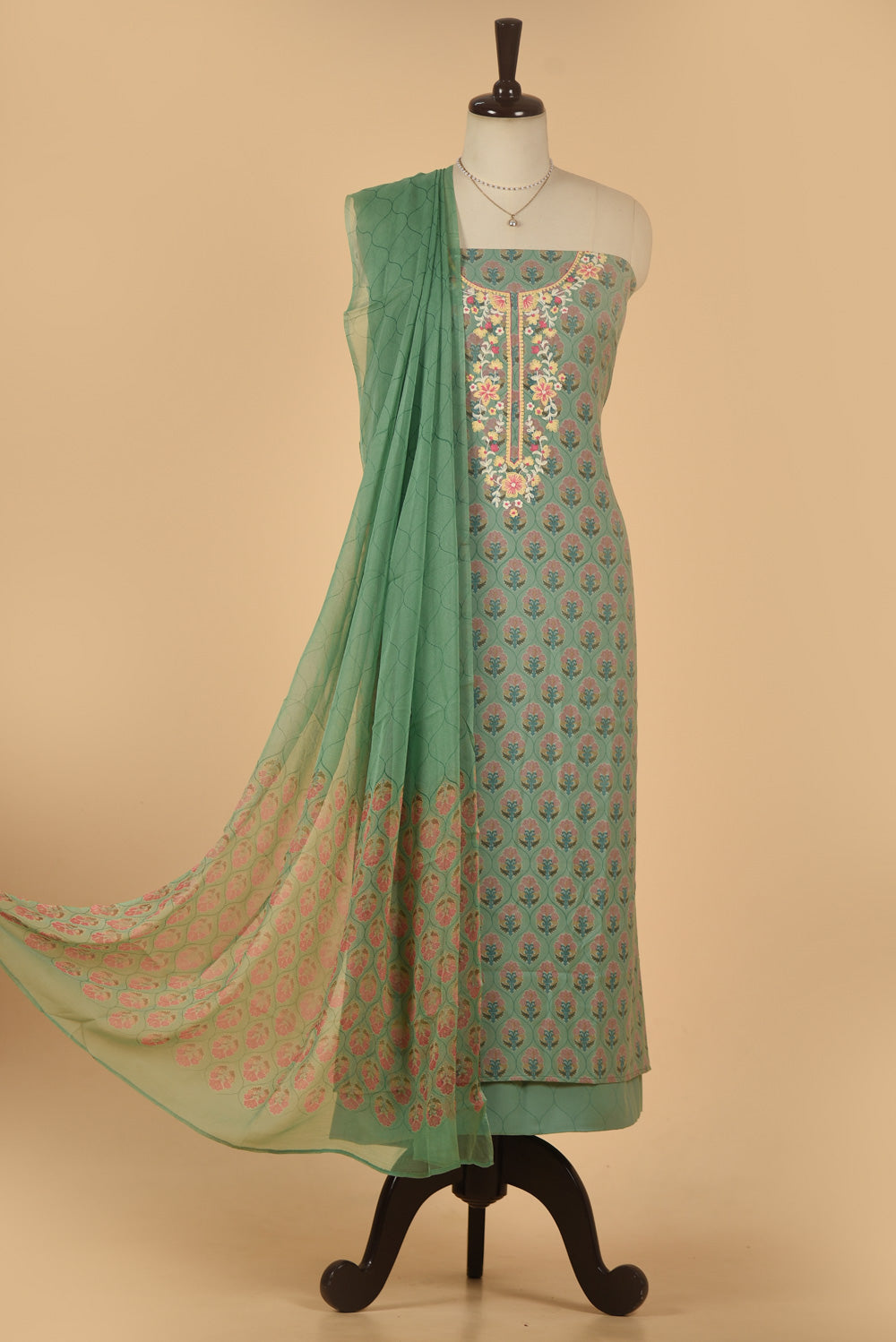
3. Which Fabric Is Better for Women's Salwar Suits and Kurtas?
The best option depends on the style of outfit you want and how frequently you plan to wear it.
Pure cotton for everyday salwar suits
Pure cotton can be a good choice for daily wear, casual outings and many office environments. It is available in different weaves and prints, making it suitable for both simple and more detailed designs.
Consider pure cotton if you prefer:
- Comfortable kurtas for regular use.
- Printed salwar suits and simple ethnic outfits.
- A natural fabric feel.
- A versatile wardrobe that can be styled in different ways.
Keep in mind that some cotton fabrics can shrink or lose colour if washed incorrectly. Follow the care instructions and ask your tailor whether pre-washing is recommended before stitching.
Cotton blends for specific styling needs
Cotton blends can be useful when you want particular fabric characteristics, such as extra stretch, a smoother finish or reduced wrinkling.
For example, a blend containing elastane may offer more flexibility, while certain polyester-cotton blends can be easier to iron. The actual result depends on the fibre proportions and fabric construction.
Before buying, consider how the material will work with your chosen silhouette. A structured kurta may benefit from a different fabric than a relaxed, flowing design.
Explore kurtas and kurta sets at Paulsons
If you prefer browsing coordinated outfits rather than buying fabric for custom tailoring, explore the Paulsons Kurtas & Kurta Sets collection.
Review individual product descriptions to confirm the fabric composition, fit and care requirements before making your selection.
4. What Are the Advantages and Disadvantages of Pure Cotton?
Pure cotton offers several benefits, but understanding its limitations will help you decide whether it suits your routine.
Advantages of pure cotton
1. Comfortable everyday wear
Cotton can feel soft against the skin, depending on the yarn, weave and finishing. This makes it a popular option for kurtas, salwar suits and casual clothing.
2. Good breathability
Many cotton fabrics allow air to circulate, although tightly woven and heavier varieties may feel warmer.
3. Versatile styling
Cotton comes in a wide range of prints, colours, textures and weights. It can be tailored into straight kurtas, A-line silhouettes and other ethnic styles.
4. Familiar care routines
Many cotton garments can be washed at home, provided the care label allows it. Some delicate prints or finishes may need gentler handling.
Disadvantages of pure cotton
1. Wrinkling
Cotton can crease during wearing and washing. Depending on the fabric, ironing may be necessary to maintain a crisp appearance.
2. Possible shrinkage
Some cotton fabrics shrink, especially when exposed to unsuitable washing temperatures or drying methods. Follow care instructions and discuss pre-washing with your tailor.
3. Drying time
Cotton absorbs moisture, so heavier fabrics may take longer to dry than some synthetic blends.
4. Differences between fabric qualities
Not every cotton fabric feels equally soft or breathable. Fibre quality, yarn, weave and finishing can make a noticeable difference.
Pure cotton is a practical choice if comfort and natural fibre composition are priorities and you are happy to follow the fabric's care requirements.
5. Is Cotton Blend Fabric More Durable and Easier to Maintain?
Some cotton blends can be more wrinkle-resistant or durable for particular uses, but this depends on the fibres, proportions and fabric construction. A blend is not automatically stronger or easier to care for than pure cotton.
For example, polyester can improve wrinkle resistance and may help some fabrics dry faster. Elastane can add stretch, while viscose may change the softness and drape.
However, blends also have limitations. Some may retain odours more readily, feel warmer depending on construction or require specific washing instructions.
How to choose a cotton blend
Before purchasing, check:
- The percentage of cotton and other fibres.
- Whether the fabric has stretch.
- How the material is expected to drape.
- Whether it can be machine-washed or requires gentle care.
- Whether the fabric suits your intended garment.
If low maintenance is important to you, compare the actual care instructions rather than assuming every cotton blend is easy to maintain.
6. How Can You Identify Pure Cotton and Cotton Blend Fabric?
When shopping online, the product description is usually the first place to check. When buying in person, fabric labels and a closer examination of the material can provide additional clues.
Check the fibre composition
Look for descriptions such as 100% cotton or a clearly stated cotton-polyester blend. If the composition is missing or unclear, ask the seller for confirmation.
A fabric described simply as “cotton” may not provide enough information to establish whether it is pure cotton or a blend.
Examine the texture
Pure cotton and cotton blends can both be soft, smooth, crisp or textured. Appearance and touch alone are not reliable ways to confirm fibre content.
Review care instructions
Care labels may provide clues about how a fabric should be washed and ironed, but they do not independently prove its composition.
Avoid unreliable burn tests
Burn tests can be hazardous and may not reliably identify a mixed-fibre fabric. Do not use them as a substitute for verified composition details.
When purchasing online, prioritise clear product descriptions, fabric specifications and transparent care information.
7. Which Fabric Should You Choose for Everyday Wear?
The right fabric depends on your lifestyle, comfort preferences and how much maintenance you are willing to manage.
| Your priority | Fabric to consider | Why |
|---|---|---|
| Everyday comfort | Pure cotton | Often breathable and comfortable |
| Summer dressing | Lightweight cotton or a suitable blend | Fabric weight and weave can support comfort |
| Less wrinkling | A suitable cotton-polyester blend | Some blends resist creasing better |
| Added stretch | Cotton with elastane | Can offer greater flexibility |
| Natural fibre preference | Pure cotton | Made from cotton fibres |
| Easy-care clothing | A blend with suitable care properties | Performance depends on composition |
For most everyday ethnic wardrobes, pure cotton is a versatile starting point. A cotton blend may be more suitable when you have specific requirements, such as stretch or reduced ironing.
There is no universal winner in the pure cotton vs cotton blend comparison. Think about how the fabric will feel during a typical day, how it will look after washing and whether it suits the garment you want to create.
Where Can You Buy Pure Cotton Unstitched Suit Fabric Online?
If you prefer custom stitching, buying unstitched suit fabric lets you personalise your kurta length, neckline, sleeve design and overall fit.
You can explore the Paulsons Unstitched Suit Fabrics collection to compare the available suit fabrics and designs.
When choosing a fabric online, check the following before ordering:
- Composition: Confirm whether the material is pure cotton or a blend.
- Measurements: Check the fabric length and width to ensure they suit your planned design.
- Included components: Confirm whether the set contains kurta fabric, bottom material and a dupatta.
- Colour and print: Review the product photographs while remembering that screen settings can affect colour appearance.
- Care instructions: Check washing, ironing and drying requirements.
- Current availability: Review the live listing for prices, stock and applicable delivery and return policies.
If you are planning to buy pure cotton unstitched suit fabric online, these checks can help you choose a material that matches your preferences and tailoring requirements.
Pure Cotton vs Cotton Blend - Which Is Right for You?
Pure cotton and cotton blends each have their place in a woman's wardrobe.
Choose pure cotton if you value natural fibre composition, everyday comfort and versatile ethnic styling. Consider a cotton blend if you need specific features such as added stretch, reduced wrinkling or a particular drape.
Before purchasing, look beyond the fabric name. Composition, weave, weight, garment design and care instructions all affect how the material performs.
Explore the unstitched suit fabrics and kurtas available at Paulsons to find an option that fits your everyday wardrobe and personal style.
FAQ - Pure Cotton vs Cotton Blend
1. What is the difference between pure cotton and cotton blend fabric?
Pure cotton is made from cotton fibres, while cotton blend fabric combines cotton with other fibres such as polyester, viscose or elastane. The blend can affect stretch, wrinkling, texture, durability and care requirements.
2. Is pure cotton better than cotton blend for summer?
Pure cotton is often a good summer option because many cotton fabrics are breathable and absorb moisture. However, a lightweight cotton blend can also be comfortable. Fabric weight, weave and composition are important.
3. Which is better for women's salwar suits: pure cotton or cotton blend?
Pure cotton is a versatile option for everyday salwar suits and kurtas. Cotton blends may be useful if you prefer added stretch, wrinkle resistance or a particular drape. Choose according to your comfort and styling needs.
4. Is cotton blend fabric more durable than pure cotton?
Some cotton blends offer improved abrasion resistance or shape retention, but performance depends on the fibres, proportions and construction. Neither fabric type is automatically more durable in every situation.
5. How can I identify pure cotton vs cotton blend fabric?
Check the fibre composition on the product label or description. Texture and appearance alone cannot reliably establish whether a fabric is pure cotton. Ask the seller for clarification if the composition is not provided.
6. Can I buy pure cotton unstitched suit fabric online at Paulsons?
You can browse the Paulsons Unstitched Suit Fabrics collection to explore available materials and designs. Check each listing for fabric composition, measurements, included components and current availability.
7. Is pure cotton easier to maintain than cotton blend fabric?
Not necessarily. Many cotton garments can be washed at home, but they may wrinkle or shrink. Some blends resist wrinkles and dry faster, while others require special care. Always follow the relevant care instructions.
8. Which is the best fabric for everyday wear: pure cotton or cotton blend?
Pure cotton is a good starting point if comfort and natural fibre composition are your priorities. A cotton blend may suit you better if you value specific features such as stretch or reduced ironing. The best choice depends on the fabric and your routine.
